Hamasah: A Playful Script Font for Crafters
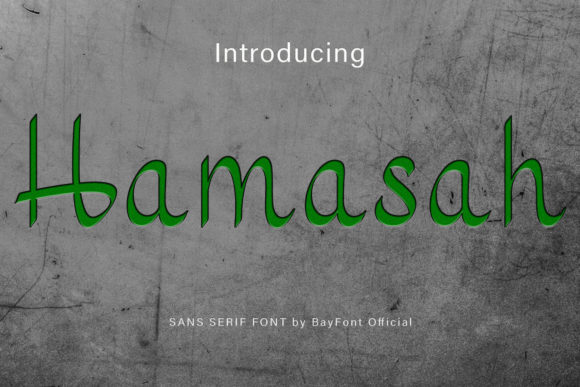
As a maker who spends countless hours designing labels, invitations, and digital printables, I know that the right typeface can make or break a product. We are not just selling items; we are selling an experience, a feeling, and a brand identity. When I first discovered Hamasah, part of the Script Amp collection, I was immediately drawn to its lively personality. It is not just another script font; it is a design asset that brings energy and charm to every project it touches. For crafters, Etsy sellers, and small shop owners, finding a font that balances artistic flair with commercial usability is rare. Hamasah manages to strike that perfect balance, offering charming, playful characters that seem to dance along the baseline.
The Visual Personality of Hamasah
In the world of modern typography, many script fonts lean heavily into elegance or strict minimalism. While those have their place, they often lack the warmth needed for handmade goods. Hamasah stands out because it feels human. The characters have a natural rhythm, avoiding the rigid uniformity that can make digital designs feel cold. This handwritten font aesthetic is crucial for products that aim to connect emotionally with customers. Whether you are creating wedding stationery or boutique packaging, the font’s ability to "dance" adds a layer of whimsy and approachability.
This visual appeal translates directly to perceived quality. When a customer sees a label or invitation featuring Hamasah, they subconsciously register the care and creativity put into the design. It suggests that the product inside is equally thoughtful. For brand consistency, using a distinctive display font like this helps your shop stand out in a crowded marketplace. It becomes part of your visual signature, aiding in customer recognition across social media graphics, physical tags, and digital downloads.
Practical Applications for Handmade Sellers
The versatility of Hamasah makes it a staple in my design toolkit. It is particularly effective for short phrases, names, titles, and decorative wording. Because of its expressive nature, it is best used as a display font rather than for long paragraphs of body text. Here are some specific ways I incorporate this creative font into my product lines:
- Product Labels and Packaging: For candle makers, soap artisans, and bakery owners, Hamasah adds a boutique feel to simple kraft labels. It looks stunning on jar lids, hang tags, and sticker seals. The playful curves complement organic ingredients and handmade processes perfectly.
- Wedding and Event Stationery: Wedding welcome boards, place cards, and invitation headers benefit greatly from the font’s romantic yet fun vibe. It pairs beautifully with floral illustrations and watercolor backgrounds, making it ideal for spring and summer weddings.
- Digital Printables and Planner Pages: If you sell digital downloads, Hamasah is excellent for header titles in planners, quote art, and greeting cards. Its readability ensures that even at smaller sizes, the message remains clear and attractive.
- Home Decor and Signs: For Cricut and Silhouette users, this font cuts cleanly for vinyl decals and wooden signs. Farmhouse-style decor often uses overly rustic fonts, but Hamasah offers a fresher, more modern take on hand-lettered signs.
- Apparel and Tote Bags: When applied to t-shirts or canvas bags, the font’s dynamic baseline creates movement that catches the eye. It works well for slogan tees, baby onesies, and personalized gift items.
Readability and Production Tips
While Hamasah is undeniably attractive, practical application requires attention to detail. As a seller, you must ensure your designs are not only beautiful but also functional. Here is how I handle readability and production challenges:
First, consider size and spacing. Because the characters dance along the baseline, tight kerning can cause letters to overlap uncomfortably, especially in cutting machine projects. Always preview your design at actual size before cutting vinyl or printing stickers. For small product labels, increase the tracking slightly to maintain legibility. If you are creating SVG-style designs for web use or digital prints, test the font on various background colors to ensure sufficient contrast.
Second, think about the medium. On textured paper or fabric, fine details in script fonts can sometimes get lost. Hamasah has enough weight to hold up well on most materials, but avoid using it for extremely intricate, tiny text. It shines brightest when given room to breathe. For mockup previews, which are essential for online sales, choose images that highlight the font’s flow. Show the font in context—on a wrapped gift, a held invitation, or a styled shelf—to help customers visualize the final product.
Font Pairing for Brand Identity
A common mistake among new designers is using too many decorative fonts in one layout. To let Hamasah shine, pair it with a clean, neutral counterpart. A simple sans serif font is often the best choice. The geometric stability of a sans serif balances the organic movement of the script, creating a professional and polished look. For a more traditional or elegant feel, you might pair it with a classic serif font, though this requires careful selection to avoid clashing styles.
For example, if you are designing a logo for a children’s boutique, pair Hamasah with a rounded, friendly sans serif. For a wedding invitation suite, combine it with a thin, modern serif to add sophistication without losing the playful touch. This strategy of font pairing ensures that your design assets remain cohesive and easy to read, enhancing your overall brand identity.
Technical Features and Licensing
Before purchasing any premium font, it is vital to check the technical specifications. Look for included styles, alternates, ligatures, and swashes. These features allow you to customize the look of Hamasah, preventing repetitive patterns in longer words or titles. Multilingual support is also key if you plan to sell to international customers or create designs in multiple languages. Ensure the file formats provided (such as OTF, TTF, or WOFF) are compatible with your design software, whether you use Adobe Illustrator, Canva, or cutting machine software.
Finally, always review the commercial font licensing terms. As a small shop owner, you need clarity on how you can use the font for selling physical products, templates, printables, and digital downloads. Most reputable font creators, including those behind Script Amp, offer clear licenses for commercial use, but it is your responsibility to verify this. Using a properly licensed font protects your business and ensures you can confidently sell your merchandise, from mugs and shirts to client work and web design projects.
Incorporating Hamasah into your creative workflow is more than just a aesthetic choice; it is a strategic move to enhance the appeal and professionalism of your handmade goods. By understanding its strengths, pairing it wisely, and respecting its technical limits, you can create products that truly stand out.