Allexa: A Handwritten Font for Modern Web Design
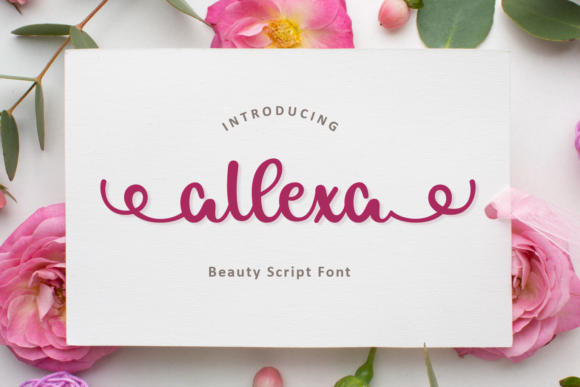
In the fast-paced world of digital product creation, typography is often the first element a user notices. It sets the tone before a single word is read. For web designers and UI specialists, finding a typeface that balances personality with professionalism is a constant challenge. This is where Allexa enters the conversation. As a unique and elegant handwritten font within the Script Amp collection, Allexa offers a distinct visual voice that can transform sterile layouts into warm, inviting digital experiences.
Unlike standard system fonts that prioritize pure utility, Allexa brings a human touch to the screen. It mimics the natural flow of handwriting, creating an immediate sense of connection and authenticity. For brand-focused web experiences, this emotional resonance is invaluable. Whether you are designing a landing page for a coaching service or crafting the hero section of a boutique online store, the right script font can elevate the perceived value of your design assets.
Enhancing Visual Hierarchy in Digital Layouts
Visual hierarchy guides the user’s eye through a webpage, helping them understand what is most important. In modern typography, contrast is key. Allexa serves as an excellent display font for high-impact areas such as hero titles, section headings, and call-to-action overlays. Because of its decorative nature, it commands attention without shouting. When used correctly, it creates a focal point that draws users into the content.
However, readability remains paramount in web design. While Allexa is beautiful, it is best suited for short phrases, headlines, and logo text rather than long paragraphs of body copy. Using a handwritten font for extensive text can cause eye fatigue and reduce scanning efficiency. Instead, pair Allexa with a clean sans serif font for your primary content. This combination ensures that your brand identity feels personal and creative, while your information remains easy to digest. The contrast between the organic curves of Allexa and the geometric stability of a sans serif creates a balanced rhythm that keeps users engaged.
Building Trust and Brand Identity Online
Your website is often the first interaction a potential customer has with your brand. The typography you choose communicates subtle cues about your professionalism and values. Allexa exudes elegance and sophistication, making it an ideal choice for industries that rely on trust and personal connection. Think wedding invitations, thank you cards, and greeting cards translated into a digital format. For a wedding photographer’s portfolio site or a floral designer’s online shop, Allexa reinforces the delicate, personalized nature of their services.
In the context of SaaS founders and digital entrepreneurs, using a premium font like Allexa can differentiate your product from competitors who rely on generic templates. It adds a layer of custom design that suggests attention to detail. When users see a cohesive brand identity that extends from your logo design to your social media graphics and landing pages, it builds credibility. Allexa helps maintain this consistency, ensuring that your digital presence feels curated and intentional.
Practical Applications for Web and UI Designers
Integrating Allexa into your workflow opens up numerous possibilities for creative expression. Here are several practical ways to leverage this typeface in your next project:
- Hero Sections: Use Allexa for the main headline on a landing page to create an immediate emotional hook. Keep the text short and impactful.
- Logo Design: Incorporate Allexa into logotypes for brands that want to appear approachable and stylish. Its fluid strokes work well for fashion, beauty, and lifestyle brands.
- Testimonials and Quotes: Highlight customer reviews or inspirational quotes in a larger size to break up text-heavy sections. The handwritten style adds authenticity to the feedback.
- Digital Ads and Banners: In social media graphics and display ads, Allexa can make your message stand out in a crowded feed. Its unique character grabs attention quickly.
- Course Sales Pages: For coaches and educators, using Allexa for module titles or special offer headers can make the content feel more personal and less corporate.
When using Allexa in these contexts, pay attention to spacing and sizing. Handwritten fonts often require more letter-spacing (tracking) to ensure clarity, especially at smaller sizes. Experiment with different weights if the font family includes them, though Allexa is primarily designed as a standalone statement piece.
Readability and Responsive Design Considerations
Designing for the web means designing for multiple devices. What looks stunning on a desktop monitor may become illegible on a mobile screen. When implementing Allexa in responsive layouts, consider the following best practices:
First, avoid using Allexa for small UI elements like navigation links or button text unless the font size is sufficiently large. Complex scripts can blur or merge on low-resolution screens. Second, be mindful of background contrast. Allexa performs best on light backgrounds or when used in white against dark, solid colors. Avoid placing it over busy image overlays unless you add a strong drop shadow or a semi-transparent overlay to ensure legibility.
For mobile views, you may need to increase the font size significantly compared to desktop versions. Test your layouts thoroughly across different breakpoints to ensure that the elegant curves of Allexa remain crisp and readable. If the text becomes too dense, consider switching to a simpler sans serif alternative for mobile-only views to maintain usability.
Font Pairing for Editorial and Commercial Use
The success of a script font often depends on its supporting cast. Allexa pairs beautifully with minimalist sans serif fonts, which provide a neutral backdrop that allows the script to shine. For a more traditional or editorial design feel, you might experiment with pairing it with a classic serif font. This combination can evoke a sense of heritage and luxury, suitable for high-end e-commerce sites or digital magazines.
When selecting a partner font, look for one with similar x-height proportions to create visual harmony. Avoid pairing Allexa with other decorative or handwritten fonts, as this can create visual clutter and confuse the hierarchy. The goal is to let Allexa be the star while the secondary font handles the heavy lifting of information delivery.
Licensing and Technical Implementation
Before deploying Allexa in client projects or commercial products, always review the licensing terms. Most premium fonts require specific licenses for web use, often involving CSS embedding via @font-face or services like Adobe Fonts or Google Fonts if available. Ensure you have the correct commercial font license for websites, online stores, and digital templates. This protects both you and your client from legal issues and supports the creators behind the typeface.
Check the file formats included in your download. For web optimization, WOFF and WOFF2 formats are preferred for faster loading times. Verify multilingual support if your project targets international audiences, ensuring that Allexa includes the necessary character sets for your required languages.
In conclusion, Allexa is more than just a pretty typeface; it is a strategic design tool. By understanding its strengths in visual hierarchy, brand tone, and emotional engagement, web designers and digital creators can use it to build more compelling, human-centered online experiences. Whether you are refining a brand identity or launching a new digital product, Allexa offers the elegance and personality needed to make a lasting impression.